Swiss authorities have significantly increased security ahead of Donald Trump’s visit to the World Economic Forum in Davos. The event brings heightened risks linked to protests, crowd volumes, and cyber threats. Security forces are preparing for one of the most complex operations in recent WEF history.
Why Donald Trump’s Attendance Raises Security Risks
The announcement of Donald Trump’s visit triggered immediate concern among Swiss authorities. Protests against the former US president have already taken place. Additional demonstrations are planned in Davos and surrounding regions. These events increase pressure on police and emergency services. The presence of Donald Trump also attracts large crowds. High visibility raises the likelihood of disruption.
Record Numbers of Protected Individuals at the WEF
The World Economic Forum expects record attendance this year. More than 120 participants require the highest level of personal protection. Around 400 guests receive protection under international law. This group includes 64 heads of state. These numbers significantly increase operational complexity for Swiss security forces and planners.
Swiss Parliament Authorises Military Support
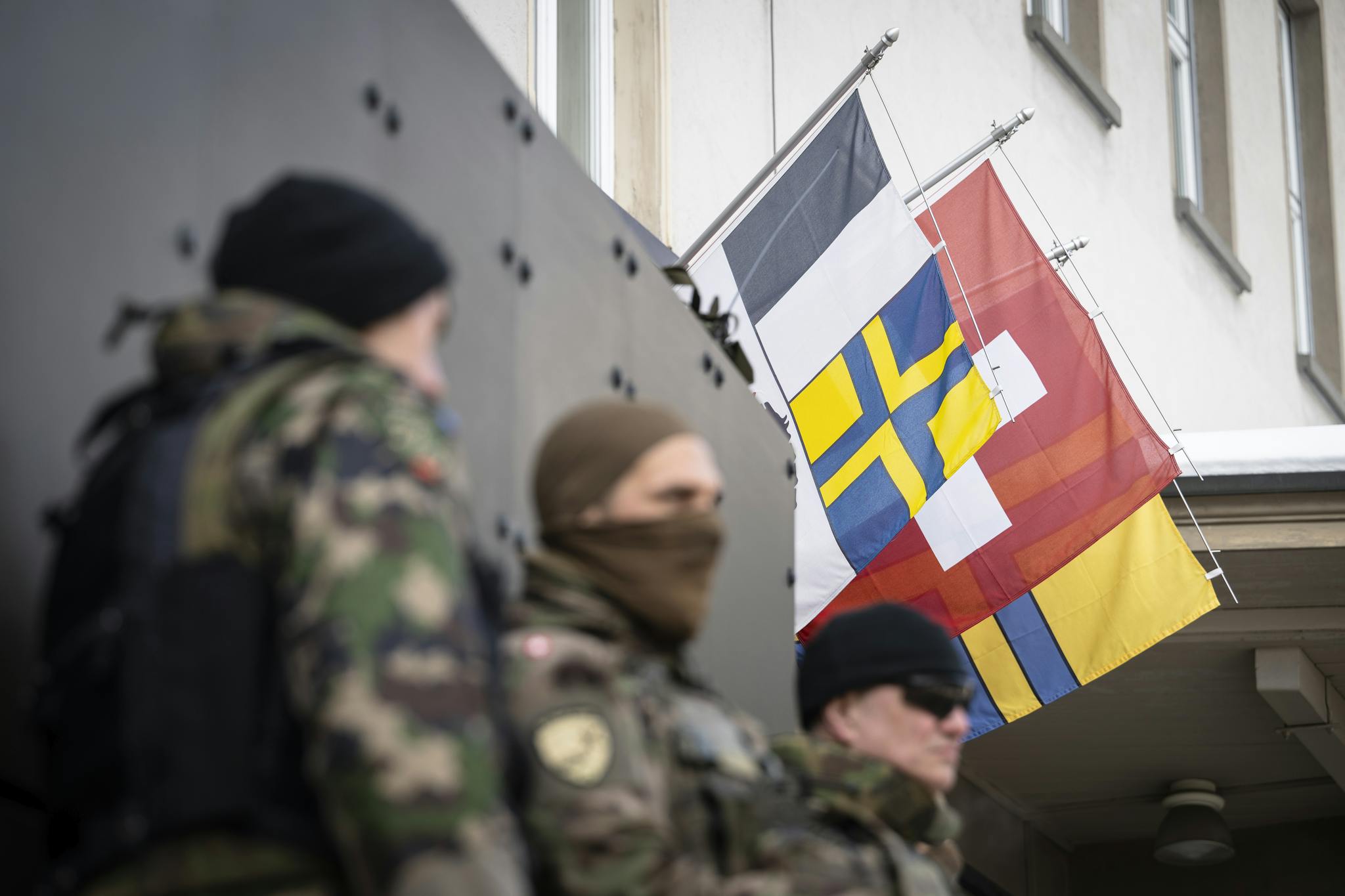
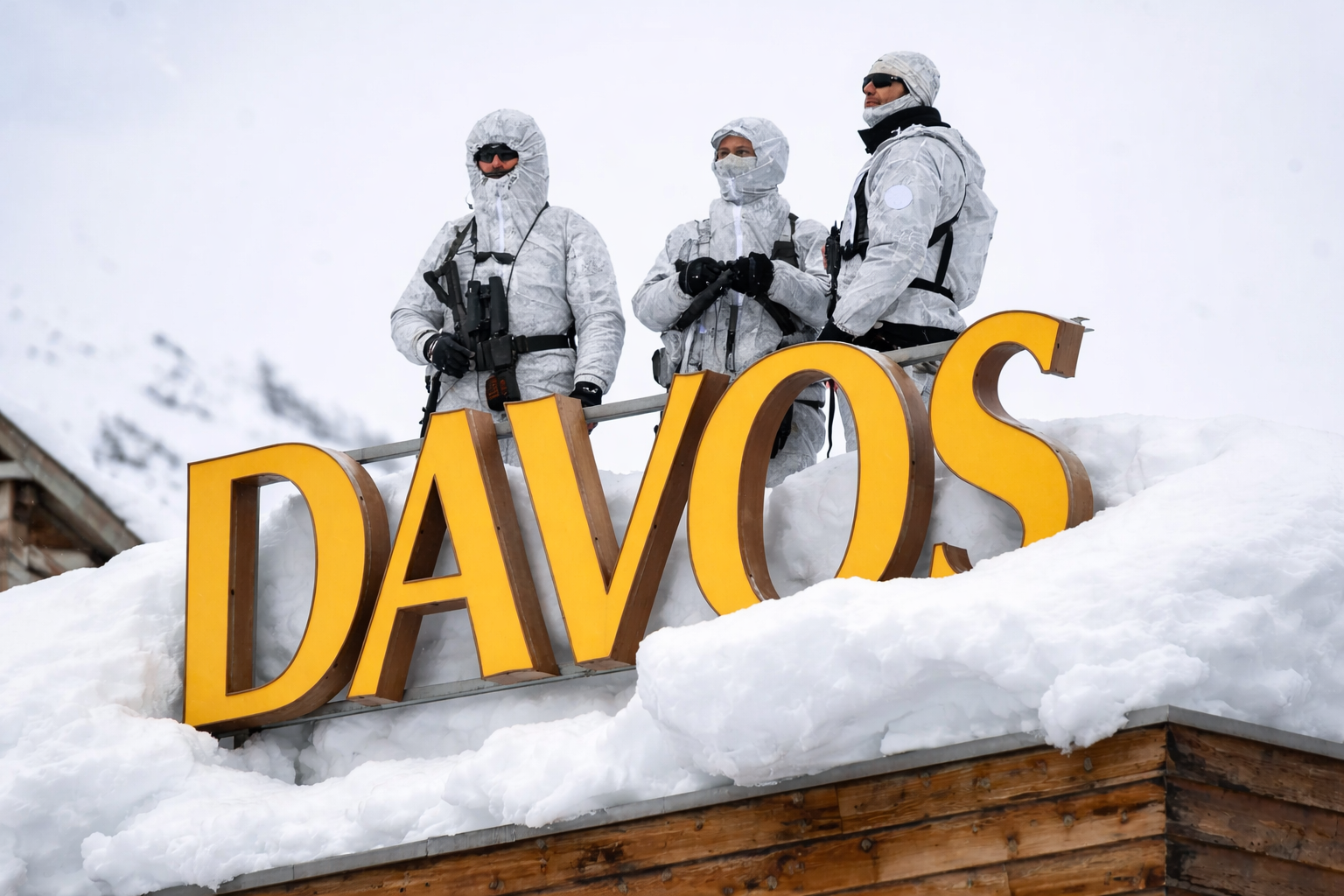
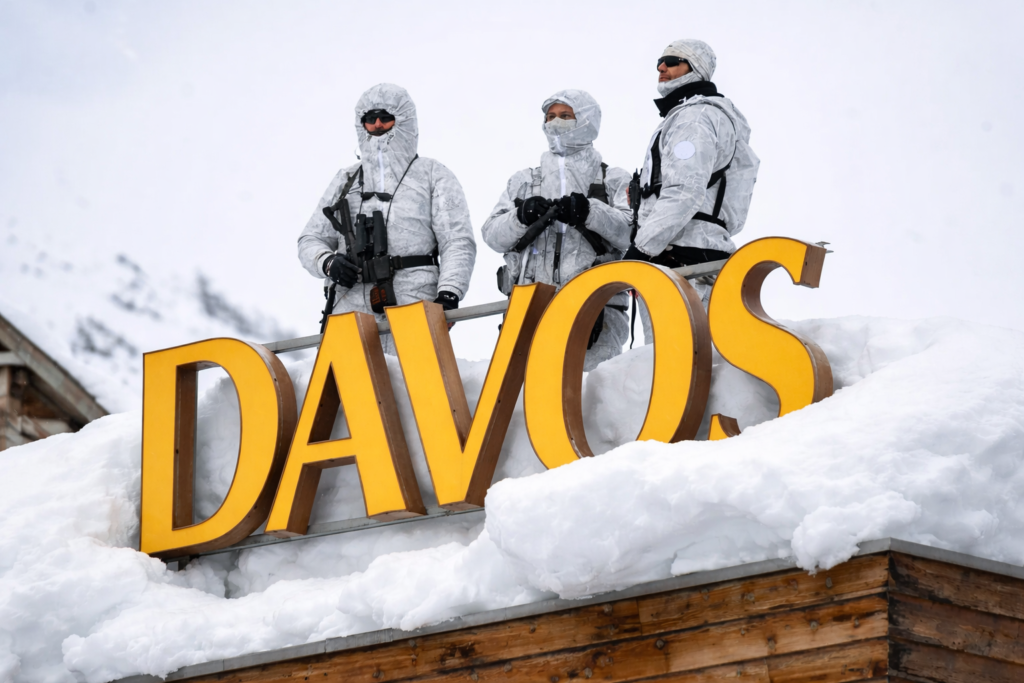
The Swiss Federal Parliament approved the deployment of up to 5,000 soldiers. These troops support police operations during the event. Authorities do not disclose exact troop numbers or locations. This approach limits exposure of sensitive security details. Military assistance allows police to focus on crowd control and threat response.
Nationwide Deployment of Jets and Helicopters
Troops operate across Switzerland, not only in Davos. They manage airfields for private jets and helicopters. They also secure national communication networks. Only a small number of soldiers are stationed directly in Davos. Some personnel support medical and logistical operations on site. Army helicopters transport protected individuals and intervention units. Military vehicles also assist cantonal police forces.
Security Budget Reaches Nine Million Swiss Francs
Total security costs are estimated at nine million Swiss francs. This figure matches last year’s budget. In 2024, security expenses reached 7.7 million francs. Donald Trump’s presence will likely increase costs. The US delegation covers part of its own logistical requirements.
How Security Costs Are Funded
WEF organisers cover 50 percent of total security costs. The Swiss Confederation contributes 25 percent. The canton of Graubünden provides 22 percent. The municipality of Davos funds the remaining amount. This shared model spreads responsibility across multiple levels of government.
Cyber Threats Expand the Security Challenge
Security risks extend beyond physical threats. Major global events attract cybercriminal activity.
According to Steven Meyer, Director of Cybersecurity Company ZENDATA, the most visible risk is a DDoS (distributed denial-of-service) attack. This involves bombarding a website with large volumes of requests to prevent access. Last year, the Rhaetian Railway was targeted by such attacks. For several minutes, it was impossible to book train tickets online via their platform.
“This is the digital equivalent of protesters preventing entry to a building,” the IT expert explains.
What a DDoS Attack Looks Like in Practice
A DDoS attack floods a website with excessive requests. This prevents users from accessing online services. Last year, the Rhaetian Railway experienced such an attack. Online ticket sales became unavailable for several minutes. Experts compare this to protesters blocking entry to a building.
Pro-Russian Groups Target Swiss Institutions
The pro-Russian group Noname057 (16) carried out more than 60 DDoS attacks during WEF 2025. Targets included municipal websites in Cologny, Vevey, and Geneva. The group also attacked the federal eIAM access infrastructure. These incidents highlight the geopolitical nature of modern cyber threats.
Website Defacement and Political Messaging
Other hacker groups focus on website defacement. They alter site content to display political messages. These attacks aim to influence public opinion and undermine trust. Similar risks affect other global events, including the Olympic Games.
Why Experts Urge Calm and Proportion
Cybersecurity experts advise organisations not to panic. Short website outages often cause limited operational damage. Protection against cyber attacks can be costly. Experts recommend defining acceptable downtime levels. This approach allows proportionate and effective security investment.
Disinformation and Espionage Risks at Davos
Disinformation campaigns pose another serious threat. False quotes, videos, and narratives may spread online. Economic and intergovernmental espionage also remains a concern. Closed-door meetings attract intelligence interest. Experts warn that smartphones present a major access risk. Participants must apply strict mobile security practices.
Cybercrime Takes Centre Stage at the WEF
Ironically, cybercrime is a major discussion topic at this year’s World Economic Forum. Global leaders will debate digital threats during the event. The WEF regularly identifies cyber risk as a leading global challenge. This year’s security environment reinforces those warnings.